What Causes Birthmarks and How Can They Be Removed?
- Get link
- X
- Other Apps
Birthmarks are natural skin marks that appear at birth or shortly after and can vary in color, size, and texture. Some remain small and barely noticeable, while others become more visible over time. Many people also search for Birthmarks Removal Treatment in Dubai when they begin exploring appearance concerns and skin confidence. These marks may appear on the face, arms, legs, or other body areas without causing discomfort.
Common Types of Birthmarks
- Pigmented birthmarks often appear brown, black, blue, or gray and include marks such as café-au-lait spots and Mongolian spots that may stay stable for years.
- Vascular birthmarks usually look red, pink, or purple because they involve blood vessels close to the skin surface and may be flat or slightly raised.
- Some birthmarks are present from the first day of life, while others become noticeable during the first few weeks after birth and gradually deepen in color.
- Certain marks remain the same throughout life, while others fade naturally with age, especially those that are lighter and less deeply rooted in the skin.
- The appearance of each birthmark depends on skin tone, body location, and how the skin develops during early growth stages before and after birth.

Why Some Babies Develop Them
Birthmarks can happen for many reasons, and in most cases, they are simply part of natural skin development. They are not caused by something a parent did wrong during pregnancy. Some appear because pigment cells gather in one area, while others form when tiny blood vessels develop differently. These changes are usually harmless and often become a normal part of a person’s appearance.
Genetic Influence and Family Patterns
Family history can sometimes play a role in the appearance of birthmarks, especially pigmented ones that tend to repeat across generations. If parents or close relatives have similar marks, children may develop them as well. Genetics may influence skin tone, pigment behavior, and the way blood vessels form. However, many people with birthmarks have no family history at all, making each case unique.
Lifestyle and Pregnancy Factors
- General maternal health during pregnancy may influence skin development, although birthmarks are rarely linked to one specific habit or temporary condition during those months.
- Hormonal changes can affect how the body supports fetal growth, and this may indirectly shape the way skin cells or blood vessels settle before birth.
- Nutrition supports healthy development overall, but birthmarks are not usually caused by a missing vitamin or a specific food choice during pregnancy.
- Environmental surroundings may influence normal development in subtle ways, yet most birthmarks appear without any clear external reason or direct lifestyle connection.
- Stress and daily routines are often blamed by families, but medical understanding shows that birthmarks commonly happen naturally and are not signs of parental mistakes.
Emotional Impact of Visible Marks
Although birthmarks are often harmless, they can affect confidence when they appear on highly visible areas like the face, neck, or hands. Children may feel different from classmates, and adults may become self-conscious in social or professional settings. Emotional impact depends on personal perception and public reactions. Supportive conversations and positive reassurance can help reduce unnecessary stress and improve self-esteem over time.
When Attention May Be Needed
- A birthmark that suddenly changes in color, size, or texture may need professional attention to ensure it remains a harmless skin feature rather than something more concerning.
- Marks that bleed, itch frequently, or become painful should not be ignored, especially when they interfere with comfort or daily skin care routines.
- Raised birthmarks that rub against clothing can create irritation and discomfort, making them harder to manage in regular activities or warm weather conditions.
- Large facial birthmarks may create emotional distress, especially for teenagers and adults who feel uncomfortable with constant attention or repeated personal questions.
- Parents often seek advice when a newborn’s mark grows quickly, and reassurance helps determine whether observation or appearance-focused care should be considered later.
Gentle Ways to Improve Appearance
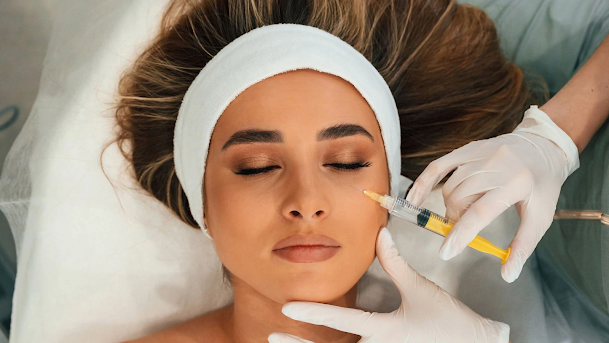
People who wish to reduce the visibility of birthmarks often focus on safe and appearance-based options that support smoother-looking skin. Depending on the type of mark, cosmetic treatments may help make the area less noticeable. Some individuals prefer makeup coverage, while others choose professional aesthetic care for long-term improvement. The right choice depends on comfort, skin sensitivity, and personal confidence goals.
Skin Care and Daily Confidence
Daily skin care can help maintain the surrounding skin and improve overall appearance, especially when birthmarks are located in exposed areas. Gentle cleansing, sun protection, and hydration support healthy-looking skin and prevent unnecessary irritation. Avoiding harsh products is also important for sensitive areas. Confidence often grows when people feel they are caring for their skin consistently and focusing on comfort instead of comparison.
Final Thoughts
Birthmarks are common and often harmless features that make every person’s skin unique. They may develop because of pigment patterns, blood vessel formation, or family traits, and they are rarely linked to serious concerns. While some people accept them easily, others prefer to improve their appearance for confidence reasons. Understanding the cause and choosing a comfortable approach helps create a balanced and positive view of skin individuality.
- Get link
- X
- Other Apps


Comments
Post a Comment