What areas of the face can Botox treat effectively?
- Get link
- X
- Other Apps
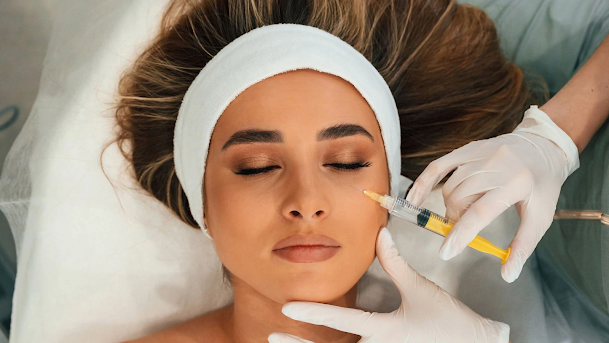
Facial aesthetics often focuses on specific expressive zones that shape how people are perceived in daily interactions. Modern cosmetic approaches highlight subtle refinement rather than drastic alteration. One increasingly discussed option in this context is Botox Injection Dubai, which is associated with targeted facial relaxation techniques. Understanding facial treatment areas helps individuals recognize how expression patterns influence overall appearance and why certain zones respond well to such aesthetic attention today in modern context.
Forehead Lines and Horizontal Creases
- Forehead lines influence overall facial expression visibility
- Repeated expressions contribute to horizontal crease formation
- Upper face movement reflects emotional communication patterns
- Forehead region affects perceived attentiveness and openness
- Expression dynamics shape facial harmony in this zone

Glabellar Frown Lines
Between the eyebrows, glabellar frown lines create a central focal point that significantly influences facial expression perception. This area often conveys concentration, concern, or intensity, making it one of the most expressive regions of the face. Its visibility can alter overall facial harmony, especially during conversation or emotional expression, and it is frequently discussed in aesthetic evaluations of facial balance and symmetry and contributes to overall expressive identity perception in social settings.
Crow’s Feet Around the Eyes
- Outer eye expression lines influence facial softness perception
- Repeated smiling movements contribute to fine corner creases
- Eye corner area reflects emotional engagement in conversations
- Facial balance is affected by symmetry around eye regions
- Subtle expression changes are visible in this region
Brow Positioning and Shape
Brow positioning plays a central role in framing the upper face, influencing how expressions are interpreted by others. The shape and resting position of eyebrows contribute to perceived emotion, openness, and facial balance. This region interacts closely with surrounding facial features, creating subtle shifts in expression that affect overall appearance. It remains an important focus in aesthetic facial assessment and expressive communication studies shaping nonverbal communication and facial identity cues perception dynamics.
Bunny Lines on the Nose
The nose region also contributes to facial expressiveness through subtle lines that appear during certain expressions. These markings can influence how animated or relaxed a face appears, particularly in moments of speech or laughter. Though less prominent than other facial zones, this area plays a supportive role in expression dynamics and can affect overall facial symmetry and perception of movement across the mid-face region enhancing subtle expression changes during natural communication flow context moments.
Jawline and Masseter Region
- Jawline contour defines lower face strength and definition
- Masseter region influences side facial width and balance
- Lower face symmetry contributes to overall aesthetic proportion
- Facial expression clarity is shaped by jawline movement
- Profile appearance is strongly affected by jaw structure
Lip Area and Smile Lines
The lip area, including surrounding smile lines, plays a central role in conveying warmth and friendliness in facial expression. This region becomes active during speech and emotional display, shaping how expressive and approachable a face appears. Its subtle lines contribute to the dynamic nature of facial communication, reflecting patterns of interaction and emotional responsiveness across various social situations and personal exchanges enhancing expressive clarity in everyday human interaction contexts and perception.
Neck Bands and Lower Face Transitions
The neck and lower face transition zone includes subtle lines and bands that influence overall facial continuity. This area contributes to the perception of smoothness and harmony between the face and neck, affecting how unified the facial structure appears. Though often overlooked, it plays a supportive role in aesthetic balance and can impact how expressions extend beyond the central facial region supporting overall facial flow and structural visual coherence perception in appearance analysis.
Final Thoughts
Understanding facial treatment zones highlights how different areas contribute uniquely to expression, balance, and perceived emotion. Each region plays a distinct role in shaping overall facial harmony, influencing how individuals communicate nonverbally. Recognizing these areas allows for a deeper appreciation of facial dynamics and aesthetic variety, emphasizing subtle interactions between features that define personality expression and social presence in everyday life offering a holistic view of facial expressiveness and interpretation insight.
- Get link
- X
- Other Apps


Comments
Post a Comment