Can Pimples Treatment Help Reduce Mild Acne and Skin Blemishes?
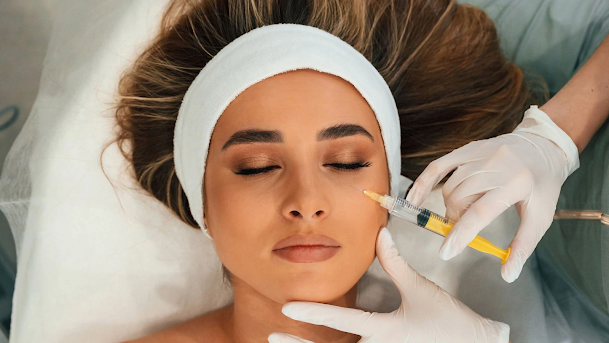
Mild acne can affect the appearance and texture of the skin, even when breakouts are occasional or limited to a few areas. For people looking for ways to maintain clearer-looking skin, Pimples Treatment in Dubai may be considered as part of a personalized approach to managing pimples and related blemishes. Suitable acne care can focus on concerns such as clogged pores, excess oil, occasional inflammation, and marks left behind after breakouts. The right approach depends on skin type, acne pattern, sensitivity, and the nature of the blemishes.
Understanding Mild Acne and Skin Blemishes
Mild acne commonly appears as small pimples, blackheads, whiteheads, or occasional inflamed spots. These concerns may develop on the forehead, cheeks, chin, jawline, or other areas where breakouts are more likely. Although mild acne may not involve extensive lesions, recurring blemishes can still influence how smooth and even the complexion appears.
Skin blemishes can also refer to discoloration or lingering marks associated with previous pimples. These marks may make the skin look uneven even when active acne is limited. Recognizing the difference between active breakouts and leftover marks is important when considering appropriate skincare choices.

What Can Pimples Treatment Address?
Pimples treatment can be useful for managing several common concerns associated with mild acne. Rather than focusing only on individual spots, an acne-focused approach may consider the overall condition of the skin.
- Occasional pimples and small breakouts
- Blackheads and whiteheads
- Excess surface oil
- Uneven-looking skin texture
- Mild post-acne discoloration
- Skin that appears congested or dull
Addressing these concerns can help support a more consistent skincare routine while reducing factors that may contribute to recurring blemishes.
Can It Help With Mild Acne?
Treatment choices may be selected according to whether the primary concern involves clogged pores, occasional inflammation, oiliness, or blemish-related discoloration. A tailored approach is generally more useful than applying the same acne product or routine to every skin type.
However, acne can vary considerably from one person to another. What works well for oily skin may not be appropriate for sensitive or dry skin. A thoughtful approach should therefore consider the skin's current condition instead of treating pimples as an isolated concern.
How Can It Support Clearer-Looking Skin?
Pimples treatment may support this goal by helping address recurring blemishes while complementing everyday skincare habits. Gentle cleansing, appropriate hydration, and regular protection from environmental exposure can also play a role in maintaining the appearance of the skin.
Another important consideration is consistency. Frequently changing products, over-cleansing, or using multiple strong ingredients at once can make the skin feel irritated and may make blemishes appear more noticeable. A simple and appropriate routine can be easier to maintain and adjust.
Can Pimples Treatment Help With Blemish Marks?
Some people notice dark or reddish-looking marks after pimples disappear. These marks are different from active acne and may require a different skincare focus. Pimples treatment can be selected with both active breakouts and the appearance of post-acne marks in mind.
Skin tone, sensitivity, sun exposure, and the tendency to develop discoloration can all influence how noticeable blemish marks become. Avoiding unnecessary irritation is particularly important for people whose skin tends to develop visible marks after inflammation.
What Should You Consider Before Choosing Acne Care?
Choosing acne care requires attention to the type and frequency of breakouts rather than simply selecting the strongest available option. Mild acne does not necessarily require aggressive products, and excessive use of harsh ingredients can create additional sensitivity.
- Your skin type and sensitivity
- The frequency and location of breakouts
- Whether you mainly have pimples, clogged pores, or blemish marks
- Existing skincare products and active ingredients
- Your tendency toward dryness or irritation
- Lifestyle factors that may affect skin comfort
Understanding these factors can make it easier to select skincare that fits your needs. It is also useful to remember that acne management is not only about treating visible spots.
Why Is Consistent Skin Care Important?
Simple habits can also make a difference. Touching or picking pimples may increase irritation and can contribute to more noticeable marks. Heavy or unsuitable skincare products may also feel uncomfortable on acne-prone skin. Choosing products according to individual skin needs can help avoid unnecessary congestion.
Lifestyle considerations can be relevant as well. Stress, hormonal fluctuations, sleep patterns, environmental conditions, and personal skincare habits may influence how the skin behaves. These factors do not affect everyone in the same way, so identifying personal triggers can be useful when managing recurring mild acne.
When Should You Seek Professional Advice?
Although mild acne is often manageable, professional guidance may be appropriate when breakouts become persistent, painful, widespread, or difficult to control. Advice can also be helpful when acne is accompanied by significant discoloration, scarring, or frequent irritation.
People with sensitive skin should be particularly cautious about introducing several active ingredients at once. If burning, persistent redness, swelling, or significant discomfort develops, discontinuing irritating products and seeking suitable guidance can help protect the skin.
Final Thoughts
Pimples treatment can be a useful option for people dealing with mild acne and everyday skin blemishes. Its value depends on selecting an approach that suits the individual's skin type, acne pattern, and specific concerns. Managing active pimples while paying attention to clogged pores, irritation, discoloration, and overall skin care can support a healthier-looking complexion. Mild acne should not automatically be treated with aggressive measures. A balanced routine, suitable products, consistent habits, and professional advice when necessary can provide a more thoughtful way to manage blemish-prone skin.


Comments
Post a Comment